Introduction
When developing a new plastic component or packaging solution, one of the first decisions manufacturers face is selecting the right production method. Two of the most common options are thermoforming and injection molding. While both processes create plastic parts, they offer distinct advantages depending on production volume, part complexity, budget, and lead time requirements.
Understanding the differences between these manufacturing methods can help engineers, product developers, and procurement teams make informed decisions that improve product performance while controlling costs.
What Is Thermoforming?
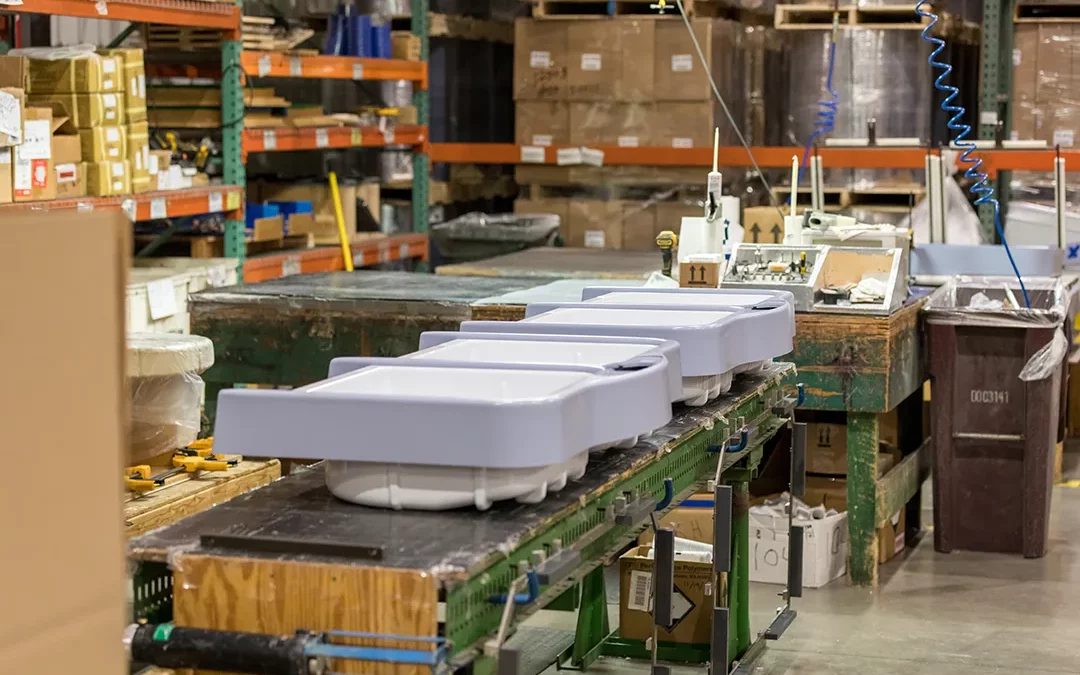
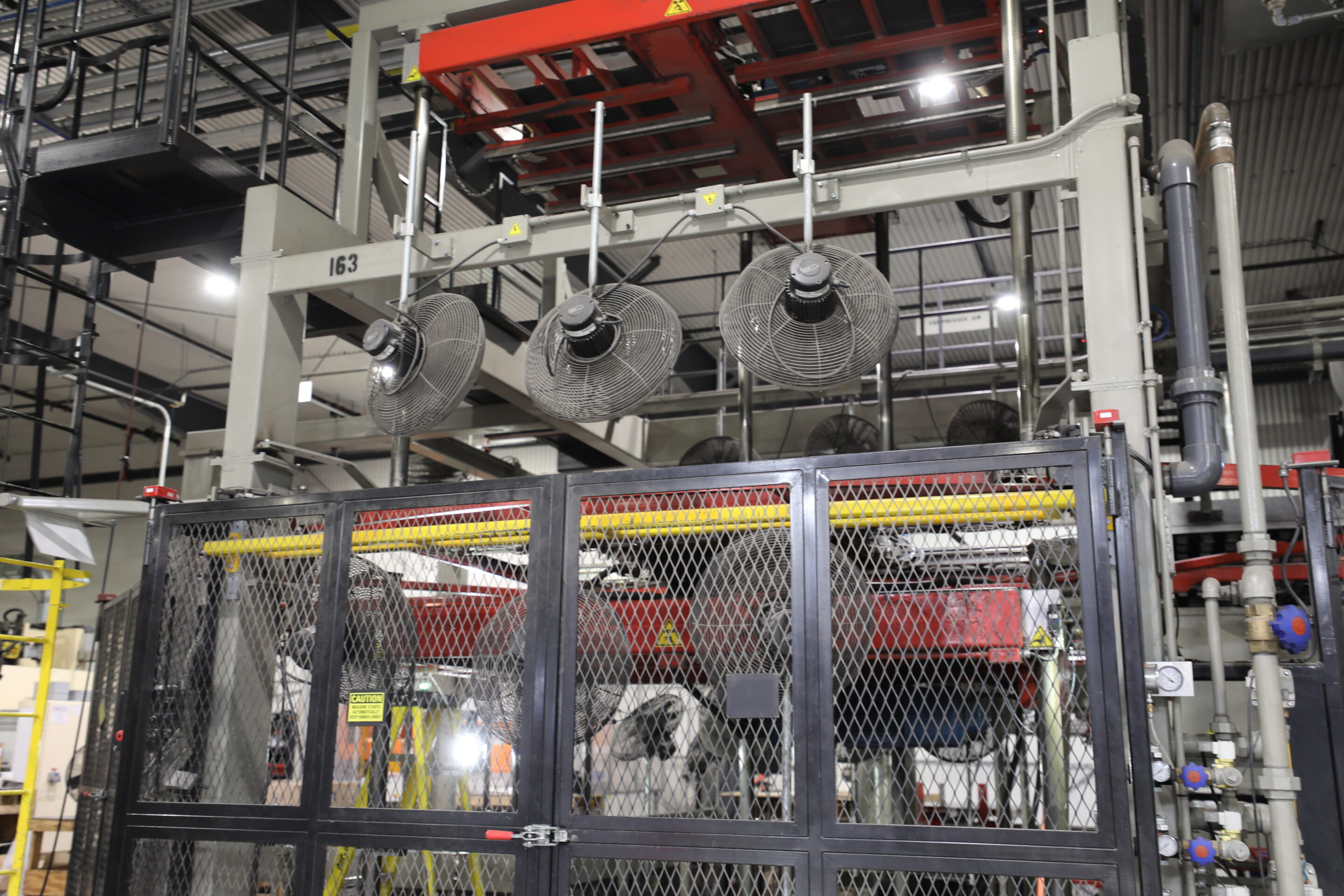
Thermoforming is a manufacturing process in which a plastic sheet is heated until it becomes pliable and then formed over a mold using vacuum pressure, air pressure, or mechanical force. Once cooled, the formed part is trimmed to its final dimensions.
Thermoforming is commonly used for:
- Food packaging
- Medical trays
- Equipment housings
- Machine guards
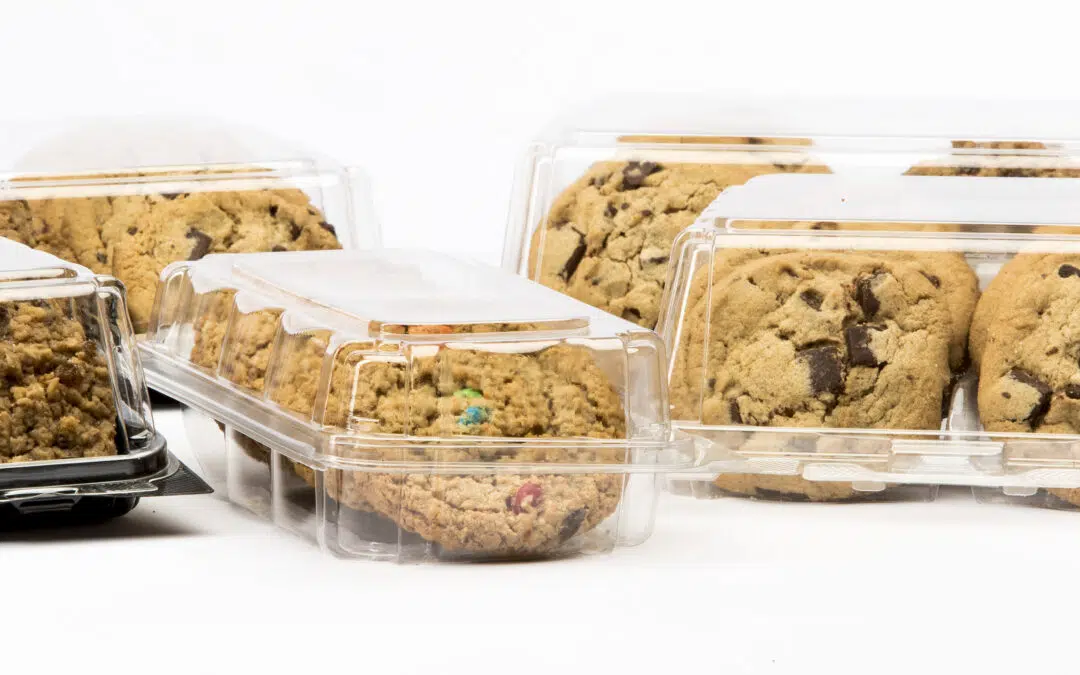
- Consumer product packaging
- Custom OEM components
Because tooling is generally less expensive and production can begin quickly, thermoforming is often an attractive option for projects requiring flexibility and speed.
What Is Injection Molding?
Injection molding involves melting plastic pellets and injecting the material under high pressure into a mold cavity. After cooling, the finished part is ejected from the mold.
Injection molding is commonly used for:
- Consumer products
- Electronics housings
- Automotive components
- Medical device parts
- High-volume production applications
The process excels at producing highly detailed, complex parts at very high volumes.
Comparing Tooling Costs
One of the largest differences between the two manufacturing methods is tooling investment.
Thermoforming
Thermoforming tooling is generally less expensive because molds are simpler and experience lower pressures during production.
Benefits include:
- Lower upfront costs
- Faster tool development
- Reduced risk during product launches
- Easier design modifications
Injection Molding
Injection molds must withstand significant pressure and require complex engineering.
Considerations include:
- Higher initial investment
- Longer tool build times
- Greater design commitment before production begins
For companies introducing a new product or validating market demand, thermoforming often provides a more cost-effective path to market.
Production Volume Considerations
Production volume plays a major role in determining which process makes sense.
Thermoforming Is Often Best For:
- Low to medium production volumes
- Pilot programs
- Product launches
- Seasonal products
- Products requiring design flexibility
Injection Molding Is Often Best For:
- High-volume manufacturing
- Long product lifecycles
- Millions of parts annually
- Standardized product lines
As production volume increases, injection molding may eventually become more economical on a per-part basis. However, many applications never reach the volume threshold needed to justify the higher tooling investment.
Design Flexibility
Product designs frequently evolve throughout development.
Thermoforming offers advantages because:
- Tool modifications can be simpler
- Design revisions often cost less
- Prototypes can be developed quickly
- Product improvements can be implemented faster
For companies continuing to refine product performance, these benefits can significantly reduce development costs.
Speed to Market
Launching products quickly has become increasingly important across many industries.
Thermoforming often allows manufacturers to:
- Develop prototypes faster
- Reduce tooling lead times
- Accelerate product testing
- Begin production sooner
When timelines are tight, thermoforming can provide a competitive advantage by shortening the development cycle.
Material Options
Both manufacturing methods support a variety of materials.
Common thermoforming materials include:
- PET
- RPET
- HIPS
- ABS
- HDPE
- Polycarbonate
Material selection depends on factors such as:
- Strength requirements
- Impact resistance
- Food-contact compliance
- Temperature exposure
- Sustainability goals
Working with an experienced thermoforming partner helps ensure the selected material aligns with product requirements and budget expectations.
Which Process Is Right for Your Project?
Thermoforming may be the right choice when:
✅ Tooling budgets are limited
✅ Production volumes are low to medium
✅ Faster market entry is required
✅ Large parts are needed
✅ Design flexibility is important
Injection molding may be the better option when:
✅ Production volumes are extremely high
✅ Complex geometries are required
✅ Tight tolerances are critical
✅ Long-term unit cost reduction is the primary goal
How LINDAR Helps Customers Select the Right Solution
Every project presents unique manufacturing challenges. At LINDAR, our engineering and manufacturing teams work with customers throughout the design process to evaluate production requirements, material options, tooling considerations, and long-term business goals.
Whether you’re developing custom food packaging, commercial OEM components, medical equipment housings, or other thermoformed products, our team helps identify solutions that balance performance, cost, and manufacturability.
Conclusion
Choosing between thermoforming and injection molding is not simply about manufacturing parts. It’s about finding the process that delivers the best value for your application.
For many low-to-medium volume applications, thermoforming provides significant advantages through lower tooling costs, faster production timelines, and greater design flexibility. By understanding the strengths of each process, manufacturers can make smarter decisions and bring products to market more efficiently.
Need help determining the best manufacturing approach for your project? Contact LINDAR’s engineering team to discuss your design goals and production requirements.