Thermoforming is not a one-size-fits-all manufacturing process.
Thermoforming is not a one-size-fits-all manufacturing process. Depending on the application, manufacturers typically choose between thin gauge thermoforming for packaging and high-volume products or heavy gauge thermoforming for durable OEM components and industrial applications. LINDAR offers both capabilities, helping customers select the right process based on performance requirements, production volumes, and end-use environments.
Thin Gauge Thermoforming: Packaging-Focused Efficiency
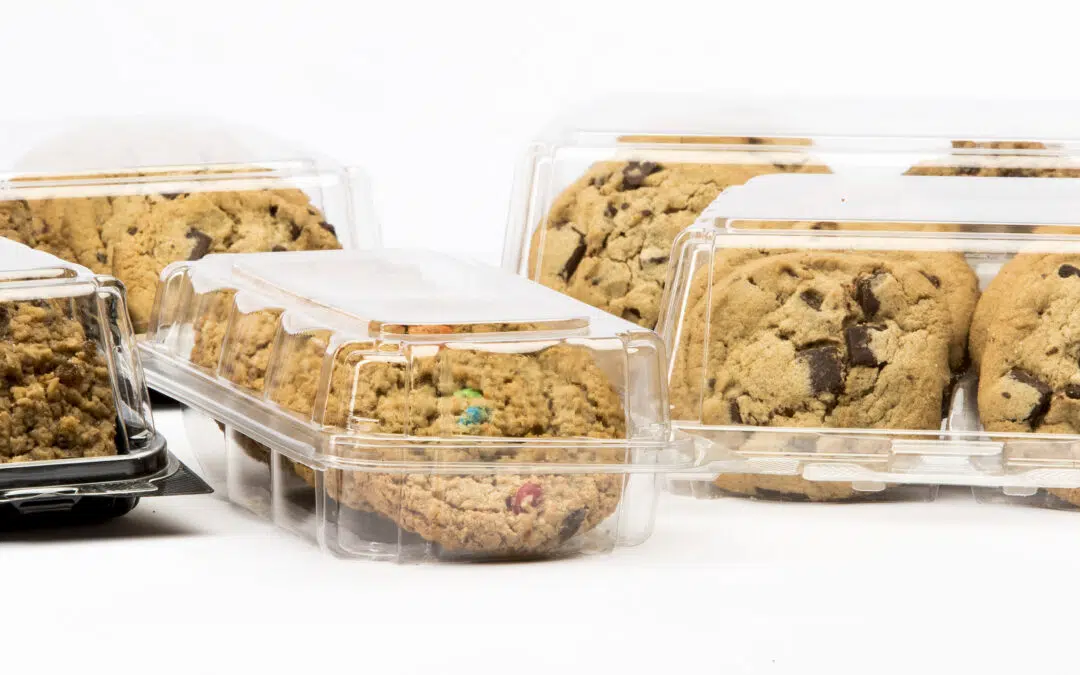
Thin gauge thermoforming typically utilizes plastic materials ranging from .008” to .060″ thick and is commonly used for packaging, trays, containers, and other lightweight products. The process is ideal for high-volume production and delivers excellent consistency, material efficiency, and cost effectiveness.
Typical applications include:
- Food packaging
- Retail packaging
- Medical trays
- Clamshell packaging
- Consumer product packaging
Heavy Gauge Thermoforming: Built for OEM and Industrial Applications
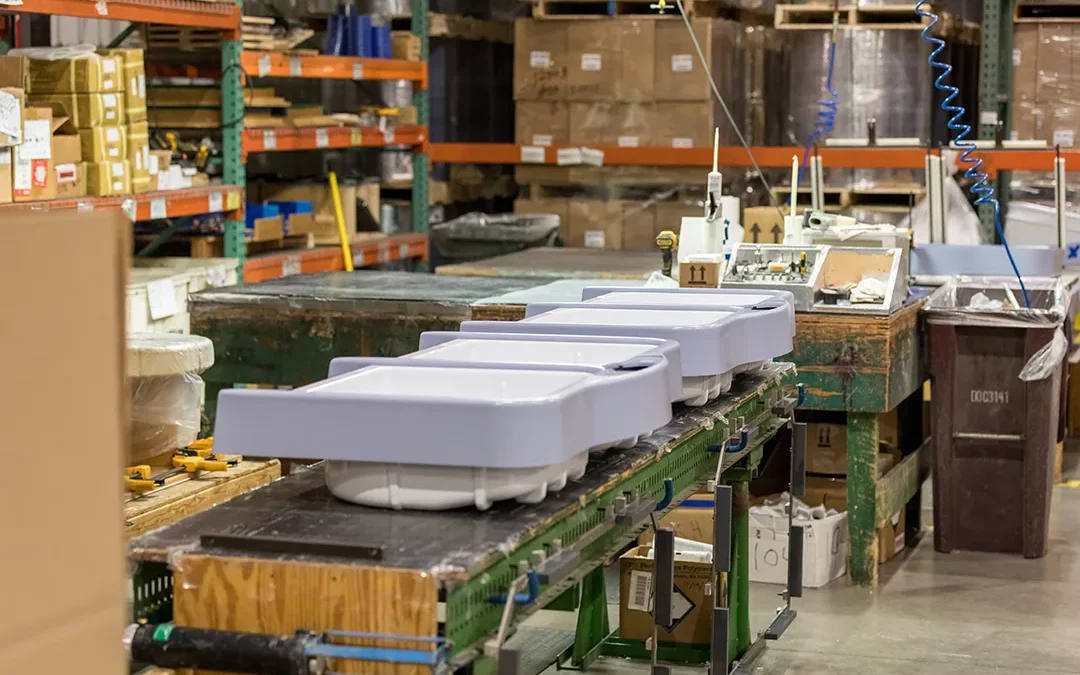
Heavy gauge thermoforming uses plastic sheets 0.080″ up to 0.500” thick and greater to create rugged, high-performance components designed for demanding environments. Unlike thin gauge applications that are often disposable, heavy gauge parts are engineered for long-term use and frequently serve as critical components within larger OEM products and systems.
Heavy gauge thermoforming is commonly used to manufacture:
- Agricultural equipment parts
- Construction equipment panels
- Vehicle interior and exterior parts
- Industrial machine covers and housings
- Medical equipment enclosures
- Material handling equipment
- Recreational and powersports products
These parts require durability, impact resistance, and aesthetic appeal while maintaining cost advantages over alternative manufacturing methods.
Why OEM Manufacturers Choose Heavy Gauge Thermoforming
For many OEMs, heavy gauge thermoforming offers an attractive combination of strength, flexibility, and cost-effectiveness. Custom colors can be incorporated directly into the material, creating a high-gloss finish and often eliminating the need for painting.
Durable Performance
Materials such as ABS, TPO, TPU, PETG, and PC allow manufacturers to create components that withstand impact, chemicals, UV exposure, and demanding operating conditions.
Lower Tooling Costs
Compared to processes such as injection molding for large parts, heavy gauge thermoforming can offer substantially lower tooling investments, making it ideal for low- to medium-volume production programs.
Large Part Capabilities
Heavy gauge thermoforming excels at producing large parts that would otherwise be difficult or expensive to manufacture. OEMs can achieve complex geometries, cosmetic surfaces, and functional designs while maintaining efficient production timelines.
LINDAR’s Advantage
LINDAR combines heavy gauge thermoforming expertise with engineering support, 3D prototyping, material selection, CNC robotic trimming, and assembly capabilities to provide a complete OEM manufacturing solution. Whether customers need a machine housing, vehicle component, agricultural parts, or other custom plastic assembly, LINDAR helps bring concepts from design to production.